The best way to prepare for a BJJ competition is to give yourself six to eight weeks, build a simple game plan, train under match conditions, look after your body, and arrive on the day with nothing left to chance. Whether this is your first BJJ tournament or your tenth, the athletes who perform well are rarely the ones with the most techniques. They are the ones who prepared the most deliberately.
This guide covers the full process of Brazilian jiu-jitsu competition preparation: choosing an event, building a game plan, conditioning, nutrition and weight management, recovery, mat hygiene, and what to do on tournament day.
Step 1: Choose your BJJ tournament and learn the rules
Pick an event six to eight weeks away so you have time to prepare without peaking too early. Before you enter, check:
- Gi or no-gi. The two are different games. Train for the one you are entering.
- Your division. Belt, age group and weight class decide who you face.
- The rulebook. Read the points system, legal and illegal techniques and match length for your division. IBJJF rules are the most widely used, but other organisers vary, so always check your event's own rules.
- Weigh-in rules. Some events weigh in on the day, some the day before, and the clothing allowed differs.
Knowing the rules wins matches. Many competitors lose points or get disqualified for things they could have learned in an hour of reading.
Step 2: Build a simple BJJ game plan
Competition is not the time for new techniques. Pick a small set that you can do under pressure, and drill it until it is automatic:
- One or two ways to start the match: a takedown, or a guard pull if the rules and your game suit it.
- One or two guard passes for when you are on top.
- One or two sweeps or escapes for when you are underneath.
- Two or three submissions you can finish from your best positions.
Ask your coach to help you plan for the scoring in your rules: when you are ahead, how to protect the lead, and when to take risks. A basic game plan with good execution beats a long list of half-learned moves.
Step 3: Train like you will compete
Your BJJ competition training should look more like a match as the date approaches.
- Positional sparring from your game plan positions, such as starting in your best guard or passing against a tough defender.
- Match-length rounds. Set a timer for your division's match length and roll full intensity with a fresh partner each round.
- Start from standing at least twice a week, since that is how matches begin.
- Flow rolling once a week to stay loose and keep technique sharp.
- Review. Film your rounds and ask your coach what to fix.
The aim is to find out how you react when you are tired and under pressure, before the competition does.
Step 4: Build BJJ-specific conditioning
Good BJJ conditioning means you can keep your technique when you are tired. Add two or three short sessions a week on top of your mat time:
- Interval work such as sprints, rowing or bike intervals that match the rhythm of a match: hard bursts with short rests.
- Grip and pulling strength with rows, pull-ups, farmer's carries and towel hangs.
- Core and hip strength for bridging, framing and guard retention.
- Mobility for hips, shoulders and spine, to protect you from injury.
Keep the volume sensible. The mistake is adding so much extra training that you arrive at the tournament exhausted.
Step 5: Nutrition and weight management
For most competitors, good fuelling matters more than a dramatic BJJ weight cut. Eat enough protein to support recovery, enough carbohydrate to fuel hard training, and drink water through the day.
If you need to change weight class, start early and aim to lose weight gradually in the weeks before, not in the last 48 hours. Severe dehydration and crash dieting hurt performance and can be dangerous. If you plan any significant cut, speak to a doctor or a registered dietitian first, and never cut weight if you are under 18 without proper guidance. If you are close to the limit, check the weigh-in rules again and have a plan for the day.
Step 6: Sleep, recovery and injury prevention
Contact sports are hard on the body, and recovery is where you improve.
- Sleep seven to nine hours where you can.
- Take a lighter week at around the halfway point if you feel run down.
- Tell your coach about niggles early. Training through a small injury often becomes a big one.
- Taper in the final week: cut volume, keep intensity short and sharp, and add rest.
Step 7: Look after your skin and mat hygiene
BJJ, wrestling, judo, MMA and other contact sports involve a lot of skin-to-skin contact and shared mats, so skin problems can spread quickly. Good hygiene protects your training, and especially your competition prep, from avoidable setbacks.
- Shower and wash with soap soon after every session, not hours later.
- Wash your gi, rash guards and shorts after each class, and dry them fully.
- Do not share towels, belts or gear.
- Wear sandals or flip-flops off the mat, and never walk around barefoot.
- Cover cuts and scrapes, and keep nails short.
- Report anything unusual, such as a new rash, spot or sore patch, to your coach and have a doctor look at it before you train or compete.
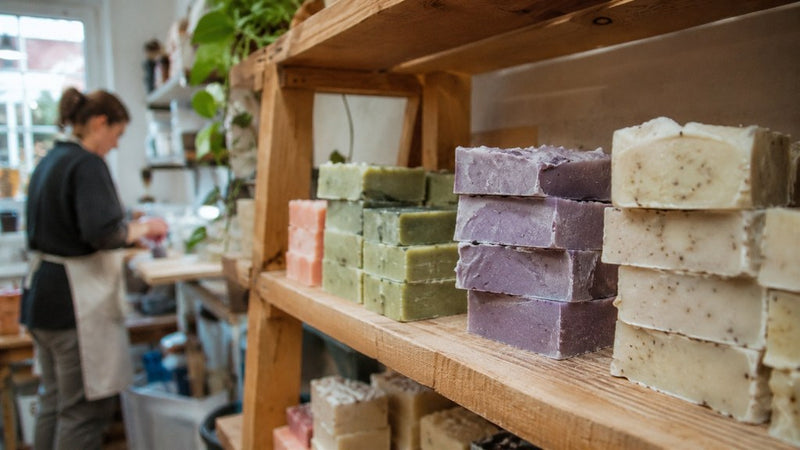
Making a proper wash part of your routine makes this easy. Many grapplers keep a dedicated bar of soap in their gym bag. A post-training wash with a natural bar such as Scrubmission's grappling soap, made with tea tree, eucalyptus and peppermint, is a simple way to build the habit. This is general hygiene advice, not medical advice, so see a doctor about any skin concern.
Step 8: Tournament week and competition day
In the week before, keep your routine normal, sleep well, confirm your registration and bracket time, and prepare your gear.
Pack your bag the night before:
- Gi (checked against the event's uniform rules) or no-gi kit, and belt
- Rash guard, mouthguard and a spare set of clothes
- Flip-flops, towel and your soap and toiletries
- Water, snacks and any food you have practised eating before training
- ID and proof of registration
On the day:
- Arrive early, check in, and find your mat.
- Warm up properly: light jogging, mobility, then some drilling and a few fast movements.
- Stay calm. Slow breathing before a match helps with nerves.
- Stick to your game plan, and don't try to win with techniques you have not practised.
- Eat and drink little and often between matches, and keep warm.
- After the event, wash and change, then write down what worked and what to fix.
An 8-week BJJ competition prep schedule
|
Weeks |
Focus |
What to do |
|---|---|---|
|
8–7 |
Foundation |
Choose the event, learn the rules, build your game plan, start two conditioning sessions a week. |
|
6–5 |
Build |
Drill your plan daily, add positional sparring, build up to three conditioning sessions. |
|
4–3 |
Intensity |
Match-length rounds, start from standing, film and review your sparring. |
|
2 |
Peak |
Highest intensity week, finalise weight management, practise your pre-match warm-up. |
|
1 |
Taper |
Cut volume, keep it sharp, sleep well, pack your bag. |
|
Competition week |
Perform |
Rest, eat well, check logistics, and compete. |
Common BJJ competition mistakes
- Entering without reading the rules
- Learning new techniques in the last two weeks
- Overtraining and arriving tired
- Leaving a weight cut too late
- Ignoring minor skin problems and injuries
- Not eating or drinking enough on the day
BJJ competition FAQ
How long should I prepare for a BJJ competition? Six to eight weeks is a good target for most people, especially for a first BJJ tournament. Experienced competitors who train consistently can prepare in less.
How often should I train before a BJJ tournament? Most competitors train on the mat three to five times a week with one or two extra conditioning sessions, then reduce volume in the final week. Your coach can tailor this to you.
Should I cut weight for my first BJJ tournament? Usually it is better to compete at a weight you can reach comfortably and sustain. If you do want to drop a class, start early, go gradually, and get advice from a doctor or dietitian.
How do I stop being nervous before a BJJ competition? Nerves are normal. Practise match-length rounds, follow a set warm-up routine, use slow breathing, and focus on your game plan, not the result.
What should I eat on the day of a BJJ tournament? Eat familiar foods you have tried in training: mostly carbohydrate with some protein before you compete, and small snacks and water between matches.
How do I avoid skin infections from BJJ and other contact sports? Wash with soap soon after training, launder your kit after every session, don't share towels or gear, cover cuts, wear sandals off the mat, and get anything unusual checked by a doctor.
Final thoughts
The best way to prepare for a BJJ competition is to keep it simple: learn the rules, build a small game plan, train under match conditions, support your body with good conditioning, food, sleep and hygiene, and show up ready. Do that for six to eight weeks and you will compete with confidence.
For more training and mat hygiene tips, follow @scrubmissionsoap and have a look at our grappling soap for your gym bag.