There is no secret technique that fast tracks you to black belt. The people who improve quickest are not always the most athletic. They are the ones who turn up, pay attention and build good habits early. Here is what actually works.
Train more often, not harder
Frequency beats intensity. Three steady sessions a week will move you further than one brutal session followed by six days of recovery. Every class gives you more positions, more feedback and more time under pressure.
If you can only make two sessions, make them every week. Missing a fortnight resets more progress than most people realise.
Pick a small game and stick to it
Beginners often try to learn everything they see on social media. The result is a head full of moves and no real skill. Choose a small set of techniques and build them together:
- One guard you like playing, such as closed guard
- One reliable guard pass
- One escape from mount and one from side control
- Two or three submissions that link from those positions
Use those every roll for a few months. Depth comes before width.
Drill with intent
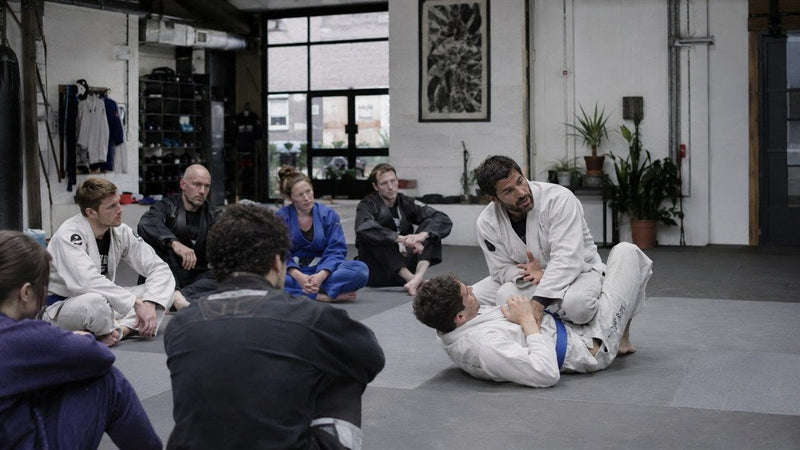
Drilling is not a warm up to get through. Ask your partner for the right level of resistance and do every rep properly. Slow, clean reps teach your body the correct shape. Rushed, sloppy reps teach you to be rushed and sloppy.
Arrive early or stay after class for ten minutes of extra reps on whatever the coach showed. That small habit adds up to hours over a year.
Roll to learn, not to win
The fastest learners are happy to lose in the gym. Start rolls in bad positions on purpose. Work your weak side. Let a partner settle into mount and practise your escape. Tapping in training costs nothing. Protecting your ego costs months of progress.
Roll with a mix of people. Higher belts show you what good looks like. Newer people give you space to try things you are still building.
Ask better questions
After a roll, ask your partner what they noticed. After class, ask the coach one specific question, for example: "When they post on my hip in this pass, where should my knee go?" Specific questions get useful answers.
Keep a training notebook
Write three lines after every session: what was taught, what worked in rolling and what went wrong. Before the next class, read the last entry. Patterns appear quickly, and you stop making the same mistake for months without noticing.
Watch rolls, not just highlights
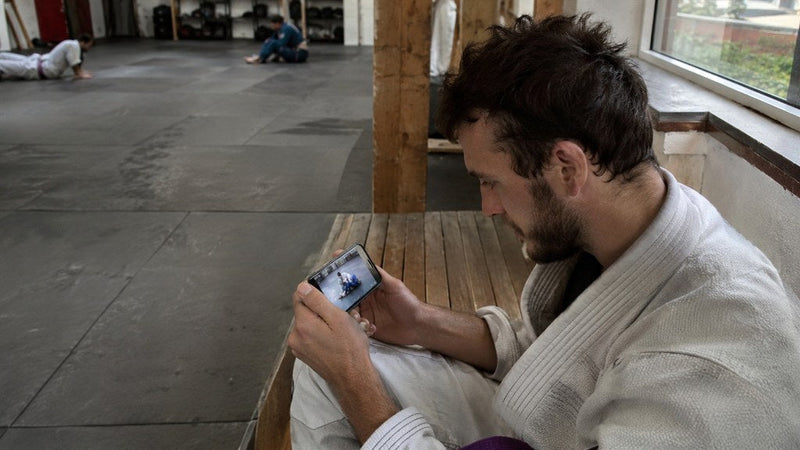
Online instruction is useful when it supports what your coach teaches. Watch full rounds from people your size and look for how they get to positions, not just the finish. Then take one idea into your next class and test it.
Look after your body
You cannot improve if you are injured or ill. Sleep well, eat enough and do some strength work. The NHS recommends adults do muscle strengthening activity on at least two days a week alongside regular aerobic activity, and that suits grapplers well (NHS).
Tap early, warm up properly and tell your partner about any niggles before the round starts.
Keep your skin clean
Skin infections take people off the mats for weeks. Ringworm spreads through close contact and shared items like towels, according to the NHS. Shower straight after training, wash your kit every session and never share towels. A dedicated Grappling Soap in your bag makes that routine easy to keep. Our post training hygiene routine covers the full process.
If you spot a rash or sore you are unsure about, see a pharmacist or GP and stay off the mats until you are cleared.
The short version
Turn up consistently, keep your game small, drill properly, roll to learn, take notes and stay healthy. Do that for a year and you will be surprised how far you have come.